

Preparing For Long Distance Walking Adventures Today

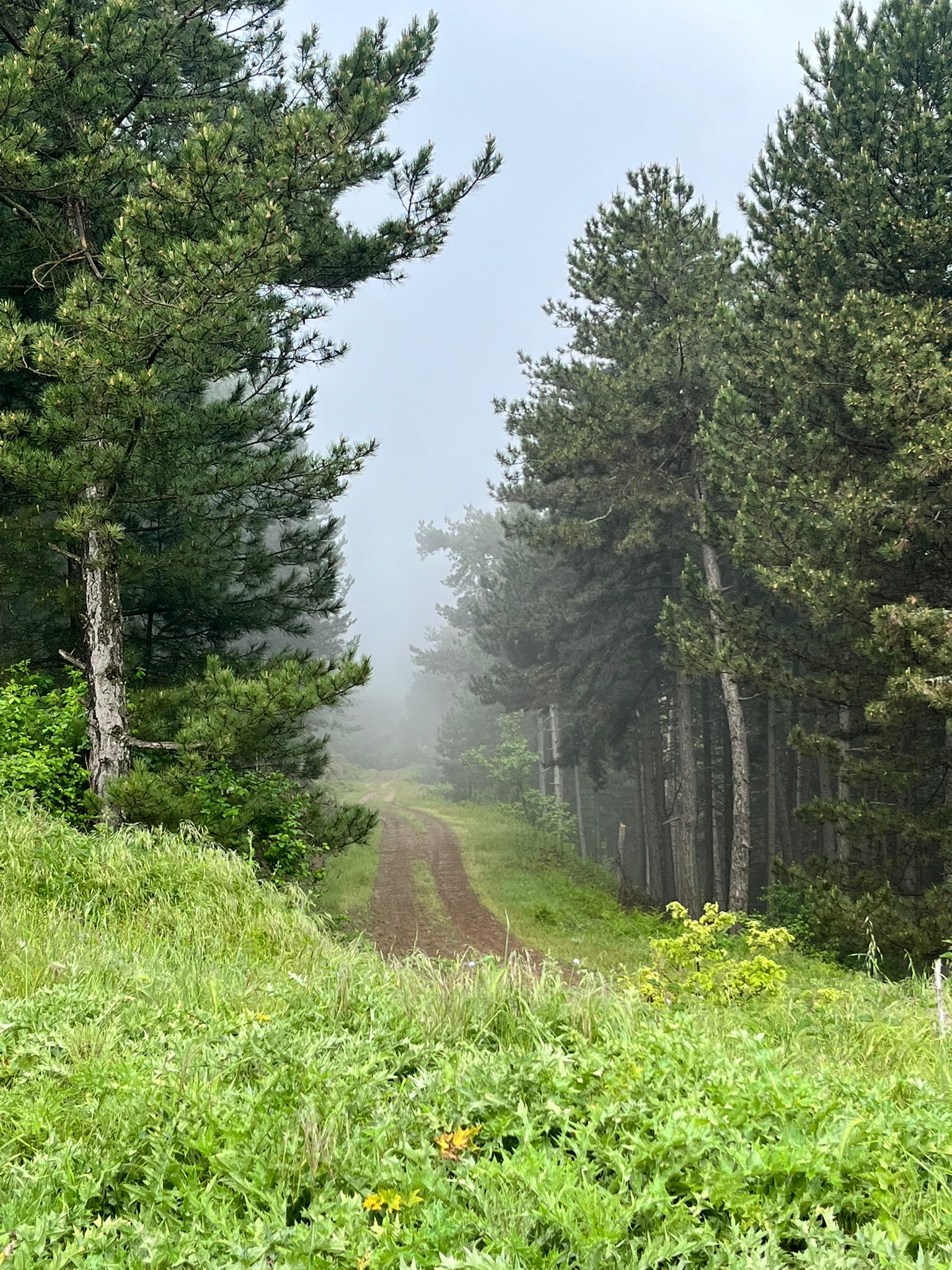
A long-distance walk begins long before the first step on the trail. It begins while studying a map, breaking in a pair of walking shoes, learning about the landscape and wondering what remains of the people who once travelled the same path.
This is especially true on ancient cultural routes. These trails are more than lines connecting one village to another. They may follow old trade roads, seasonal migration paths, pilgrimage routes or mountain passages used for generations. Preparing for a long-distance walking adventure therefore involves more than physical fitness. It means getting ready to travel through a living landscape shaped by nature, history and local memory.
Whether you are planning several days on a historic route or joining a guided walking experience through rural villages, thoughtful preparation will help you walk more safely, comfortably and attentively.
Understand the Journey Before Packing
One of the most common mistakes in long-distance walking is beginning with equipment rather than understanding the route.
Before deciding what to carry, learn what the journey will ask of you. Consider the total distance, daily walking times, elevation changes, trail surface and expected weather. A 15-kilometre walk on a flat coastal path can feel very different from the same distance on a rocky mountain route.
Ask a few practical questions:
- How much climbing and descending is involved?
- Are there reliable water sources along the trail?
- Does the route pass through villages?
- Are there shaded areas or long exposed sections?
- Will you carry all your belongings or use luggage transfer?
- Is mobile phone coverage available throughout the route?
- Are the trail markings clear and regularly maintained?
Daily distance alone does not describe the difficulty of a walk. Heat, altitude, loose ground, steep descents and the weight of your backpack can completely change the experience.
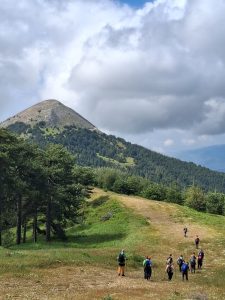
Prepare Your Body for Consecutive Walking Days
Preparing for long distance walking adventures does not require turning every walk into an athletic challenge. The real aim is to help your body become familiar with steady movement over several hours and, more importantly, with walking again the following day.
Begin with regular walks on varied terrain. Gradually increase the duration and include hills whenever possible. As your departure approaches, try walking on two consecutive days. This will give you a more realistic sense of how your legs, feet and shoulders respond to repeated effort.
Training with the backpack and footwear you intend to use is also important. Even a light backpack changes posture and balance after several hours. A pair of shoes that feels comfortable during a short city walk may create pressure points on a long descent.
The best preparation is consistent rather than extreme. Long-distance walking rewards patience. Your body learns through repetition, just as your mind learns to settle into the rhythm of the trail.
Choose Footwear for the Route, Not for Appearance
There is no single perfect shoe for every long-distance trail. The right choice depends on the terrain, season, backpack weight and your own experience.
Lightweight walking shoes may work well on dry and established paths. Rough, rocky or unstable ground may require stronger footwear with better grip and support. Whatever style you choose, do not begin a multi-day adventure in completely new shoes.
Wear them during training and test them on climbs and descents. Check whether your toes move forward inside the shoe, whether the heel rubs and whether the sole provides enough confidence on loose ground.
Socks deserve equal attention. Walking-specific socks that manage moisture can help reduce friction. Carrying a fresh pair for each day, or having a clear washing and drying plan, can make a noticeable difference during a multi-day journey.
Pack Light, but Do Not Pack Carelessly
Every unnecessary item becomes heavier after several hours. Yet packing light does not mean leaving essential equipment behind. It means choosing carefully.
For most supported or accommodation-based walking routes, useful essentials include:
- A comfortable daypack
- Water and an appropriate refill plan
- Sun protection
- A lightweight waterproof layer
- A warm layer for changing conditions
- A simple first-aid kit
- Personal medication
- A charged phone and portable power bank
- Offline maps or printed route notes
- A small headlamp
- Snacks suitable for the walking day
- Identification and emergency contact details
Pack according to the actual route rather than an imaginary expedition. If you are staying in village accommodation and eating locally, you may need far less than someone camping independently. Ask your guide or accommodation provider what is already available before filling your backpack.
A well-prepared bag should support the journey without becoming the main character in it.
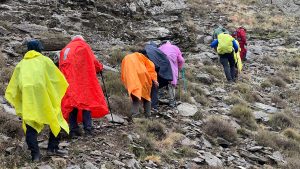
Plan for Water, Weather and Changing Conditions
Water planning is one of the most important parts of any long walk. A spring marked on an old map may be seasonal, dry or unsuitable for drinking. Village fountains may not always be available, and shops in rural settlements may operate at irregular hours.
Confirm current water information before departure and carry enough for the distance, temperature and difficulty of the day. In warm climates, begin walking early when possible and avoid relying on a single refill point.
Weather also deserves respect. Conditions can change quickly in hills and highlands. A clear morning does not guarantee a dry afternoon, while exposed routes can feel much hotter or colder than nearby towns.
Check the forecast, but also prepare for reasonable changes. A light rain layer, sun protection and an extra layer often weigh little compared with the comfort they provide.
Learn How to Read More Than the Trail Markings
Waymarks are useful, but they should not be your only source of navigation. Paint can fade, signs can fall and vegetation can hide a junction.
Download offline maps before beginning the walk and keep your phone charged. If possible, carry route notes that identify important junctions, villages, water sources and exit points. On remote sections, a paper map remains a useful backup.
Navigation on an old cultural route also involves reading the landscape. A stone-paved section, an old retaining wall or a line of trees may reveal the original direction of a path. Terraces, fountains, shrines, abandoned houses and village tracks are not merely scenery; they are clues to how people once moved through the region.
Walk slowly enough to notice them.
Respect the Cultural Landscape
Historic walking routes often cross working landscapes rather than untouched wilderness. Olive groves, vineyards, orchards, grazing areas and village paths may be privately owned or actively used.
Stay on the recognised route, close gates behind you and avoid disturbing crops or animals. Ask permission before photographing local people or entering courtyards and working areas. Dress and behave respectfully when passing through villages or visiting places of cultural or religious importance.
Supporting local cafés, family-run accommodation, small shops and village producers helps keep these routes connected to the communities that give them meaning.
The best walking journeys do not treat villages as decorative stops. They recognise local people as part of the route’s present life.
Leave Space for the Unexpected
Detailed planning creates confidence, but an overfilled schedule can remove the freedom that makes walking memorable.
A long-distance route may offer an unexpected conversation at a village fountain, a view that deserves more than a quick photograph or a quiet place where you simply want to stop. Allowing extra time helps you respond to the landscape rather than constantly racing through it.
This does not mean ignoring the day’s distance or safety considerations. It means building enough flexibility into the plan for walking to remain an experience, not just a timetable.
Ancient paths were not designed around modern urgency. Their rhythm is measured in hills, shade, water, daylight and human endurance.
Know When a Local Guide Adds Value
Some cultural routes can be walked independently, while others become safer and more meaningful with local guidance.
A local walking guide can help with navigation, changing trail conditions, transport arrangements and communication in rural areas. More importantly, a guide can reveal connections that are difficult to find on a map: why a village developed in a particular location, where an old road continued, how water shaped settlement or what a local tradition means within the landscape.
Good guidance does not place itself between the walker and the trail. It helps the walker see more.
For visitors unfamiliar with the language, customs or geography of a region, this local knowledge can transform a beautiful walk into a deeper cultural experience.
Prepare Your Mind as Well as Your Body
Long-distance walking has its own pace. There may be hours without entertainment, traffic or constant digital interruption. At first, this can feel unfamiliar. Gradually, attention begins to change.
You notice the direction of the wind, the sound of insects, the shape of old stonework and the difference between cultivated and wild land. Distance is no longer an abstract number. It becomes something understood through the body.
Mental preparation means accepting that not every kilometre will feel effortless. Some sections may be tiring, repetitive or slow. The purpose is not to force yourself forward at any cost, but to recognise your limits, adjust your pace and remain attentive to changing conditions.
Rest is part of the walk. So are uncertainty, discovery and adaptation.
Walk Into the Story of the Route
Preparing for a long-distance walking adventure is ultimately about creating the conditions to be present.
Train enough to enjoy the days. Choose equipment that supports rather than distracts you. Understand the route, respect the weather and learn about the communities you will encounter. Carry what you need, but leave room for curiosity.
On an ancient cultural trail, the landscape is never only geographical. A mountain pass may carry the memory of seasonal journeys. A faded path may once have connected families, markets and highland pastures. A village fountain may still stand where travellers have stopped for generations.
When preparation is done well, you are free to experience these details. You stop thinking constantly about your shoes, your backpack or the next junction. Walking becomes more than movement between two points.
It becomes a way of entering the history, scale and living rhythm of a place—one step at a time.