

Five Essential Tips For First Time Hikers

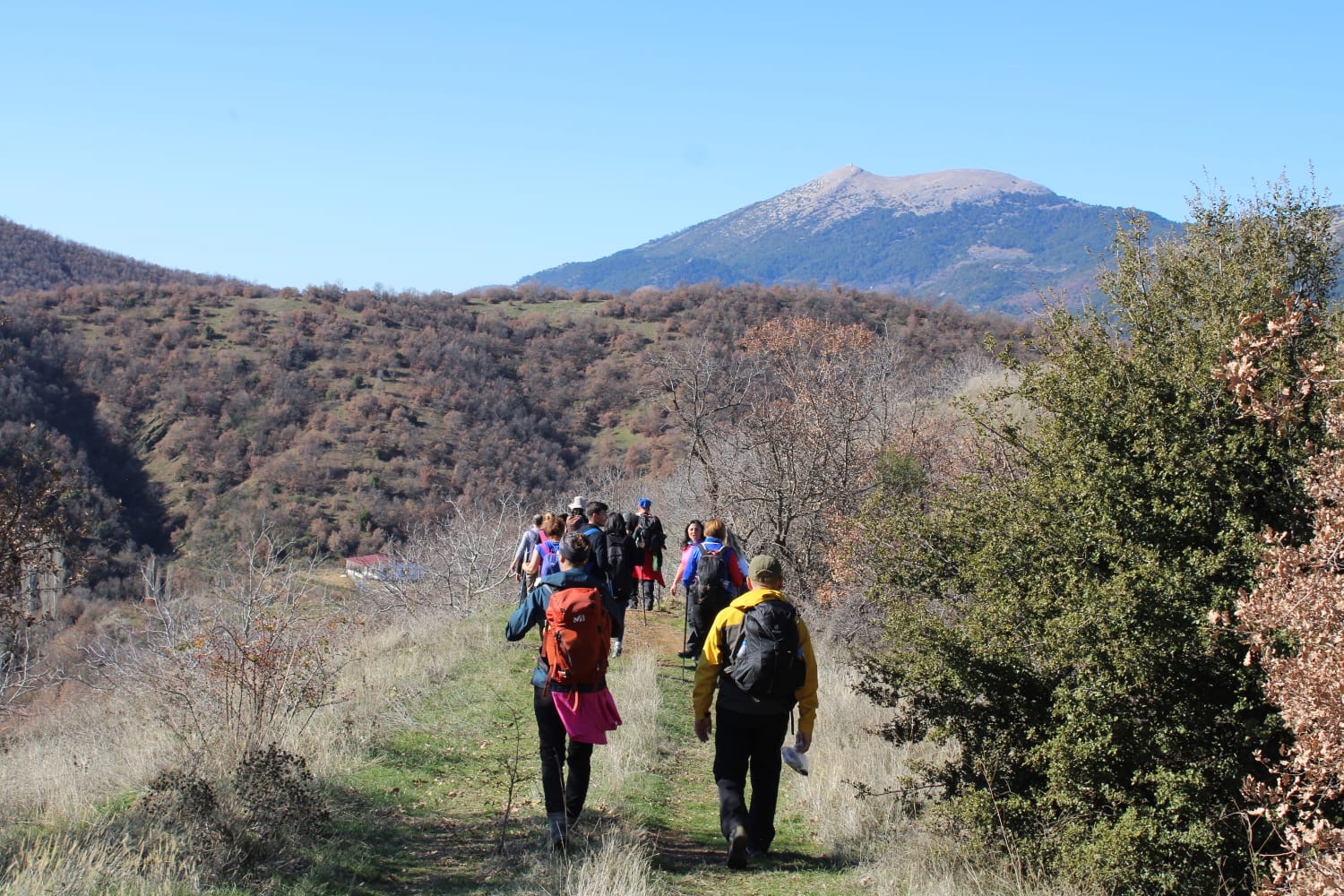
Your first hike does not need to be long, difficult or adventurous to be memorable. A quiet forest path, a historic trail between two villages or a gentle route through the hills can offer everything that makes walking special: fresh air, changing landscapes and the pleasure of reaching somewhere through your own movement.
For many first-time hikers, however, the idea of heading onto a trail can feel more complicated than it really is. What should you wear? How much water should you carry? What happens if the route is harder than expected?
The good news is that hiking does not require years of experience or highly specialised equipment. It begins with choosing a suitable route, preparing a few essentials and learning to move at a comfortable pace.
These five essential tips for first-time hikers will help you begin with greater confidence and enjoy the journey from the first step.
1. Choose a Route That Matches Your Experience
The best first hike is not the most impressive route you can find. It is the one that allows you to enjoy the landscape without feeling overwhelmed.
Start with a clearly marked and well-established trail. Look for a moderate distance, manageable elevation and reliable information about the route. A circular walk or a route close to villages can be especially suitable for beginners because it often provides easier access to water, transport or alternative stopping points.
When researching a hike, do not judge difficulty by distance alone. A short trail with steep climbs, loose stones or little shade may be more demanding than a longer walk on gentle ground.
Before choosing your route, check:
-
The total distance and estimated walking time
-
The amount of climbing and descending
-
The type of trail surface
-
The availability of shade and water
-
Current weather conditions
-
Mobile phone coverage
-
Transport options at the beginning and end
-
Whether the route is clearly marked
If possible, read recent route information or ask a local guide about current trail conditions. Paths can change with the seasons, and older descriptions may not reflect damaged signs, overgrown sections or temporary closures.
Your first hike should leave you curious about the next one, not exhausted by the attempt to prove something.
2. Wear Comfortable and Tested Footwear
Footwear can shape the entire walking experience. It does not need to be expensive, but it should be comfortable, suitable for the terrain and tested before the day of the hike.
Avoid wearing completely new shoes on a long trail. Even footwear that feels comfortable in a shop may rub or create pressure after several hours. Wear your walking shoes during shorter outings first and, if possible, test them on both climbs and descents.
The amount of support you need depends on the route. Lightweight walking shoes may be suitable for dry, established trails, while rocky or uneven ground may require stronger soles and better grip.
Comfortable walking socks are equally important. Choose socks that fit well and help manage moisture. Carrying a spare pair can be useful if your feet become wet.
Before setting out, check that your shoes:
-
Fit securely without squeezing your toes
-
Do not allow your heel to rub
-
Provide reliable grip
-
Feel comfortable on uneven ground
-
Are appropriate for the expected weather
The right footwear should allow you to think about the landscape rather than your feet.
3. Carry the Essentials Without Overpacking
First-time hikers often make one of two mistakes: carrying too little or preparing for every possible situation.
A well-packed day bag sits somewhere between these extremes. It contains what you are likely to need without becoming unnecessarily heavy.
For a typical day hike, consider carrying:
-
Enough water for the route and weather
-
Simple snacks or a packed lunch
-
Sun protection, including a hat and sunscreen
-
A lightweight waterproof layer
-
An extra layer for changing temperatures
-
A basic first-aid kit
-
Any personal medication
-
A fully charged mobile phone
-
An offline map or printed route notes
-
A portable power bank
-
Identification and emergency contact details
-
A small bag for carrying your rubbish
Do not rely on springs, fountains or village shops unless you have confirmed that they are currently available. Water sources can be seasonal, and small rural shops may not follow regular opening hours.
Keep frequently used items where you can reach them easily. Water, snacks, sun protection and your map should not be buried at the bottom of your bag.
Pack carefully, then ask yourself whether every item has a clear purpose. On the trail, simplicity is often more useful than abundance.
4. Walk at Your Own Pace and Take Regular Breaks
Hiking is not a race. A steady pace that you can maintain is usually more effective than walking quickly and needing long periods to recover.
Begin more slowly than you think necessary, especially when the route starts with a climb. Your body needs time to settle into the movement. Short, regular breaks can help you drink water, eat something and check how you are feeling before tiredness becomes a problem.
Walking with a group does not mean everyone must move at exactly the same speed. A thoughtful group adjusts to its members and stays together at important junctions. If the pace feels uncomfortable, say so rather than trying to hide it.
During the walk:
-
Take shorter steps on steep climbs
-
Slow down on loose or uneven descents
-
Drink water regularly
-
Eat before you become very hungry
-
Stop briefly to adjust uncomfortable shoes or clothing
-
Allow time to observe and enjoy the surroundings
Being tired is not a failure, and changing the plan can be the sensible choice. Weather, trail conditions and energy levels can all affect the day.
A successful hike is not simply one that reaches the planned destination. It is one completed with awareness, good judgement and respect for personal limits.
5. Follow the Route and Respect the Landscape
A marked path may look simple on a map, but trail signs can fade, become hidden by vegetation or disappear at junctions. Basic navigation preparation is therefore valuable, even on beginner-friendly routes.
Download an offline map before leaving and check your position periodically. Do not wait until you feel lost. At uncertain junctions, pause and look for signs rather than continuing in the direction that seems most obvious.
Tell a trusted person where you are going, which route you plan to follow and when you expect to return. If conditions change significantly, turn back or use a safe alternative route.
Respecting the landscape is another essential part of hiking. Trails may pass through forests, farmland, olive groves, grazing areas and villages. Some routes cross land that is actively used by local communities.
Follow a few simple principles:
-
Stay on the recognised trail
-
Do not damage crops or vegetation
-
Close gates after passing through
-
Keep a respectful distance from animals
-
Carry all rubbish with you
-
Avoid disturbing residents and wildlife
-
Ask permission before photographing local people
-
Follow local fire and access restrictions
Leave the route as you found it—or, where possible, a little cleaner.
Allow the Experience to Be More Than Exercise
It is easy to think of hiking mainly in terms of distance, time and physical effort. Yet these measurements describe only one part of the experience.
Walking creates a direct relationship with the landscape. You notice how the vegetation changes with elevation, how old paths follow the shape of the hills and how villages are positioned near water or fertile land.
On cultural routes, the trail may carry the memory of trade, seasonal migration, pilgrimage or journeys between neighbouring settlements. Stone paving, terraces, fountains and abandoned buildings can reveal how people once lived and moved through the region.
You do not need expert knowledge to appreciate these details. You only need enough time and attention to notice them.
Pause occasionally. Look behind you. Listen to how the landscape changes as you move. The purpose of the day is not only to complete the trail but also to experience where it leads.
Consider Joining a Guided Walk
A guided walk can be a comfortable introduction for someone hiking for the first time, especially in an unfamiliar country or on a route with limited signage.
A local guide can help with navigation, pacing, weather decisions and practical arrangements. Local knowledge can also bring the landscape to life by explaining the history of a path, the traditions of a village or the relationship between the route and its surroundings.
Joining a small group also provides reassurance without removing the personal character of the experience. You still walk with your own steps and notice the landscape in your own way, but practical uncertainties are easier to manage.
Guidance is particularly valuable on cultural trails, where understanding what you are seeing can be as rewarding as reaching the destination.
Your First Hike Is the Beginning
You do not need to begin with a mountain summit or a famous long-distance route. Start with a trail that feels achievable, prepare thoughtfully and give yourself time to discover how walking outdoors feels.
Choose the right route. Wear tested footwear. Carry the essentials. Move at a sustainable pace. Pay attention to navigation and treat the landscape with respect.
These five essential tips for first-time hikers are simple, but together they create a strong foundation for many future walks.
Confidence on the trail does not appear all at once. It grows gradually: with every junction understood, every climb completed and every lesson carried into the next journey.
Your first hike is not a test of how far you can go. It is an invitation to begin.