

Lübbey: The Story Behind Türkiye’s Ghost Village

Discover the forgotten mountain village where silence tells a remarkable story.
Some places are remembered because of what they have become.
Others are remembered because of what they once were.
Lübbey belongs to the second kind.
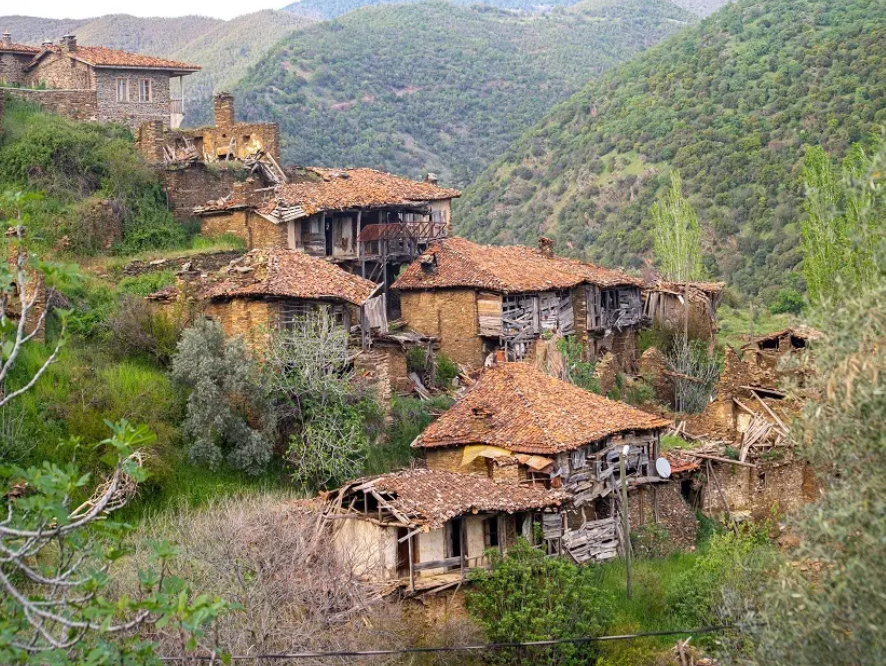
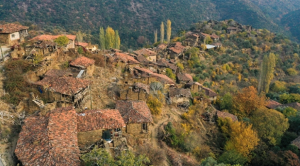
Hidden high in the hills of western Türkiye, this small mountain village has become known as one of the country’s most fascinating “ghost villages.” Stone houses cling to the hillside, narrow lanes wind between abandoned homes, and nature is slowly reclaiming a place that was once full of life.
Yet Lübbey is much more than an abandoned village.
It is a reminder of changing times, rural traditions, and the resilience of the communities that once called these mountains home.
A Village Built on the Mountainside
Lübbey sits on the southern slopes of the Bozdağ Mountains, overlooking fertile valleys and distant peaks.
Its location wasn’t chosen by chance.
For generations, the surrounding landscape provided everything villagers needed—fresh water, fertile land, forests, and natural protection. Families built their homes close together, creating a close-knit community where neighbours knew one another and daily life revolved around agriculture and the changing seasons.
Walking through Lübbey today, it’s easy to imagine that rhythm of life.
Why Was Lübbey Abandoned?
Like many rural communities around the world, Lübbey gradually changed during the second half of the twentieth century.
As younger generations moved to larger towns and cities in search of education, employment, and new opportunities, fewer people remained in the village. Over time, many homes were left empty, and nature slowly began reclaiming the streets.
Today, only a small number of residents continue to maintain a connection with the village, while many of the historic buildings stand quietly as reminders of another era.
This story isn’t unique to Lübbey—but few places preserve it as powerfully.
Walking Through Silence
One of the first things visitors notice is the silence.
There are no busy roads.
No traffic lights.
No crowds.
Instead, you’ll hear birdsong, the breeze moving through the trees, and your own footsteps echoing along the old stone paths.
Far from feeling eerie, Lübbey often feels peaceful.
The absence of noise allows you to notice details that would otherwise go unnoticed—the craftsmanship of old wooden doors, the texture of weathered stone walls, and the landscape that surrounds the village.
A Photographer’s Dream
Lübbey has become a favourite destination for photographers, and it’s easy to understand why.
The combination of abandoned architecture, mountain scenery, dramatic light, and changing seasons creates endless opportunities for memorable images.
Morning and late afternoon are particularly beautiful, when soft sunlight highlights the stone buildings and casts long shadows across the narrow streets.
Every season tells a different visual story.
More Than a “Ghost Village”
The nickname attracts attention, but it doesn’t tell the whole story.
Lübbey isn’t simply a place that was left behind.
It’s part of a much larger story about migration, changing lifestyles, and the challenges faced by many rural communities across the world.
Visiting with this understanding helps us appreciate the village not as a curiosity, but as a place deserving of respect.
Responsible tourism can help keep its story alive while supporting the surrounding communities.
Reaching Lübbey on Foot
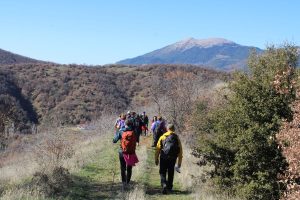
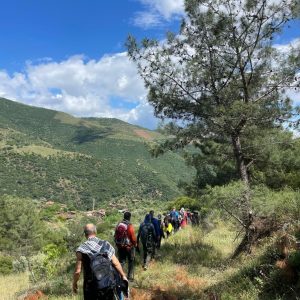
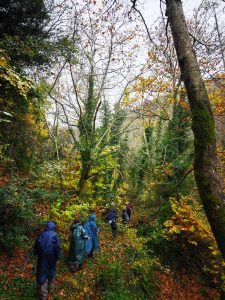
For me, the best way to arrive in Lübbey is exactly as generations of villagers once did—on foot.
Walking through the surrounding forests and mountain landscapes creates a natural transition between the modern world and the quiet atmosphere of the village.
By the time you reach the first stone houses, you’ve already become part of the landscape rather than simply arriving by car.
That’s one of the reasons the Ovacık → Lübbey stage is one of my favourite walks.
A Place That Invites Reflection
Lübbey encourages something we rarely experience while travelling today.
It invites us to pause.
To wonder.
To imagine the lives once lived here.
To think about how places change, how communities evolve, and how landscapes quietly preserve those memories.
It’s not a destination for entertainment.
It’s a destination for understanding.

From Ece
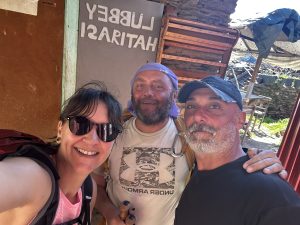
Every time I walk into Lübbey, I notice something different.
Sometimes it’s the way sunlight falls across an old stone wall.
Sometimes it’s a fruit tree still growing beside an empty house.
Sometimes it’s simply the silence.
Guests often arrive expecting to visit an abandoned village.
They leave having experienced something much more personal—a place that encourages reflection, curiosity, and appreciation for the lives that shaped these mountains.
That’s why Lübbey continues to be one of the most meaningful places I guide people to.
Experience Lübbey for Yourself
Photographs tell part of the story.
Walking through Lübbey tells the rest.
If you’d like to discover this remarkable village while exploring the beautiful landscapes that surround it, I’d love to share the journey with you.
Walk Slowly.
Connect Deeply.
Walk Like a Visitor. Leave Like a Local.
→ Explore the Ovacık → Lübbey Walk
→ View All Guided Walks